


In short
Four kinds of route bring Americans to Europe for work: digital nomad visas for people employed or self-employed outside the country, freelance and self-employment permits, startup visas for founders with an innovative business, and golden visas for investors. A company on its own is usually not a residence permit, so the guides show both the company rules and the visa you need to live there. All figures come from our country fact registers, checked against official sources.
- 14
- Countries with a digital nomad visa
- 12
- Countries with a startup route
- 7
- Open golden visa programmes
- 29
- Company formation guides
Work and investor guides
Choose Your Route
Every guide below uses the same verified data — open the one that fits how you will earn your living.
Showing of 11 guides
Remote work 2 guides
Employees 1 guide
Freelance and self-employed 3 guides
-
 Netherlands DAFT
Self-employed permit under the Dutch-American Friendship Treaty — for US citizens
Read the DAFT guide
Netherlands DAFT
Self-employed permit under the Dutch-American Friendship Treaty — for US citizens
Read the DAFT guide
-
 Germany Freelance Visa
Freelancing in Germany — who qualifies, what the office checks and how to apply
Read the freelance guide
Germany Freelance Visa
Freelancing in Germany — who qualifies, what the office checks and how to apply
Read the freelance guide
-
 Germany Section 19c
The employment route open to Americans for any job in Germany
Read the 19c guide
Germany Section 19c
The employment route open to Americans for any job in Germany
Read the 19c guide
Founders 3 guides
-
 Startup Visas
The 12 countries with a founder route — who approves you, funds needed and how long it lasts
Compare startup visas
Startup Visas
The 12 countries with a founder route — who approves you, funds needed and how long it lasts
Compare startup visas
-
 Company Formation
All 29 countries — company type and capital, corporate tax, registration and US tax (NCTI, Form 5471)
Compare company rules
Company Formation
All 29 countries — company type and capital, corporate tax, registration and US tax (NCTI, Form 5471)
Compare company rules
-
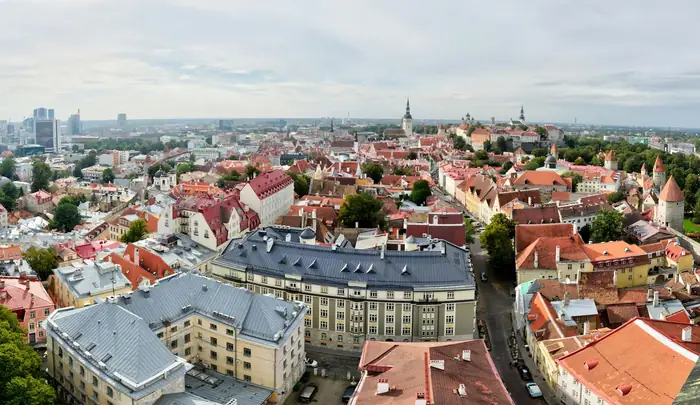 Estonia e-Residency
Run an Estonian company online — what e-Residency is and what it is not
Read the e-Residency guide
Estonia e-Residency
Run an Estonian company online — what e-Residency is and what it is not
Read the e-Residency guide
Investors 2 guides


No country matches this search.
Working in Europe: key factsLast verified 29 September 2026
| EU Blue Card | For highly qualified workers: salary of 1 to 1.6 times the national average (each country sets its figure), a contract of at least 6 months, and a move to another EU country after 12 months; not used by Denmark and Ireland Source: EU Blue Card: new rules to attract more highly-skilled workers (European Parliament) |
|---|---|
| DAFT (Dutch-American Friendship Treaty) | Self-employed permit for US (and Japanese) citizens: invest at least €4,500 in your own Dutch business, register with KvK and invest within 6 months of the IND decision Source: IND: Residence permit self-employed person (US/Japanese nationals) · IND form 7524: Application self-employed (2026) |
| e-Residency | A digital ID for running an Estonian company online — not a visa, residence permit or tax residency Source: e-Residency: what is e-Residency |
| § 26 BeschV nationals | US, Canadian, Australian, UK, Israeli, Japanese, Korean and NZ citizens may take any job, regardless of where the employer is based, with Federal Employment Agency approval (priority check) Source: Employment Ordinance § 26 (BeschV) |
| US tax treaty | Signed 1997, in effect since 1998; US citizens still file US returns and use the foreign tax credit or exclusion Source: Revenue: dates of effect of Ireland's tax treaties |
Country by country
Route Guides for Each Country
Country guides for each route — conditions, costs, taxes and the steps to apply.
Estonia digital nomad visa →Latvia digital nomad visa →Portugal digital nomad visa →
Before you choose
Four Questions to Answer First
Who pays you?
Nomad visas are usually for income from outside the country; a local employer usually means a work permit or the EU Blue Card instead. For highly qualified workers: salary of 1 to 1.6 times the national average (each country sets its figure), a contract of at least 6 months, and a move to another EU country after 12 months; not used by Denmark and Ireland.
Do you need a visa or a company — or both?
A company gives you a business, not the right to live there. Most countries need a separate residence permit for founders and owners.
Can you apply from inside the country?
Some countries let US citizens apply during their visa-free stay; others require a consulate application from the US. Each country guide says which.
What will the US tax?
US citizens file US returns wherever they live. Foreign companies bring extra US forms and rules, explained in the company formation guide.
FAQ
Frequently asked questions
Which European countries have a digital nomad visa?
Fourteen of the 29 countries we cover — see the digital nomad visa guide for the income each asks for, the permit length and taxes.
Is there a visa only for Americans?
Self-employed permit for US (and Japanese) citizens: invest at least €4,500 in your own Dutch business, register with KvK and invest within 6 months of the IND decision.
Does e-Residency let me live in Estonia?
A digital ID for running an Estonian company online — not a visa, residence permit or tax residency.
Can you help me choose a route?
Yes. Book a free consultation — we look at your work, income and plans and tell you honestly which country and visa fit.
Across Europe
Every guide and comparison
- OverviewMove to Europe
- CountriesAll 29 Countries
- LivingExpat Guides
- RetirementRetire by Country
- CitiesBest Cities to Live In
- BusinessCompany Formation
- FoundersStartup Visas
- InvestorsGolden Visas
- Remote workDigital Nomad Visas
- RetirementRetirement Visas
- CitizenshipCitizenship by Descent
- CostsCost of Living
- HealthHealthcare
- TaxTax Residency
- PetsMoving with Pets
- DrivingUS Driver's License
- PropertyBuying Property
- EducationStudy in Europe
- SafetySafety & Stability
- WorkWork-Life Balance
- TravelTravel & Schengen
- LifestyleLifestyle
Find Your Work Route
Book a free consultation. We compare the routes that fit your work and tell you what the move will really cost.