
In short
Americans can set up a company in every country we cover, usually as a private limited company with little or no minimum capital — €1 in Bulgaria, Spain, France or Portugal, €0.01 in Estonia, none in Belgium, Cyprus, Finland, Ireland, the Netherlands or the UK; Germany (€25,000 for a GmbH, or a UG from €1), Switzerland (CHF 20,000) and Luxembourg (€12,000 for an SARL) ask more. Corporate tax runs from 9% in Hungary and 10% in Bulgaria to about 30% in Germany; Estonia and Latvia tax profit only when it is distributed. Some countries need a notary, and Finland, Ireland and Croatia have rules for directors living outside the EU. Two things often surprise Americans: a company is usually not a residence permit, and the US may tax your company's profits each year under NCTI (formerly GILTI) if the local tax is below 18.9%.
- 9%
- Hungary — lowest corporate tax in the EU
- 0%
- Estonia & Latvia — tax on retained profit
- €0.01
- Estonia — minimum capital
- 18.9%
- US high-tax threshold for NCTI (ex-GILTI)
29 Countries
Where Should You Register Your Company?
The usual company type, minimum capital and corporate tax in each country. Filter by what matters to your business, then open the full guide with every step and fee.
Showing of 29 countries
Western Europe 6 countries
-
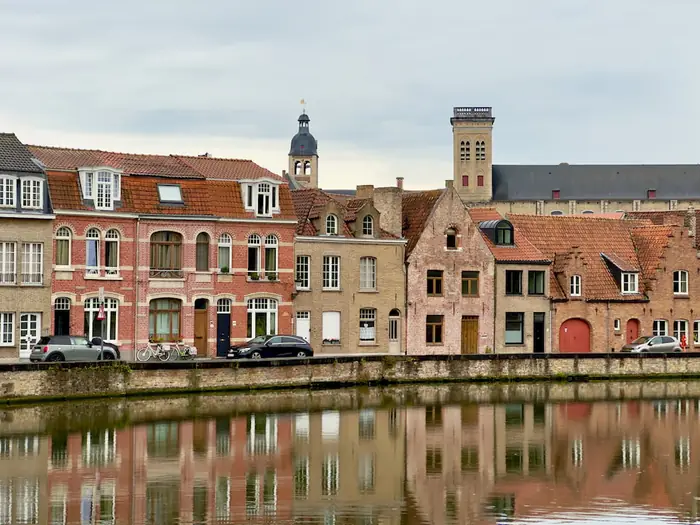
 Belgium
BV / SRL (private limited company)
Company formation in Belgium
Belgium
BV / SRL (private limited company)
Company formation in Belgium
-

 France
SAS / SASU or SARL
Company formation in France
France
SAS / SASU or SARL
Company formation in France
-

 Ireland
LTD (company limited by shares)
Company formation in Ireland
Ireland
LTD (company limited by shares)
Company formation in Ireland
-
 Luxembourg
SARL or SARL-S
Company formation in Luxembourg
Luxembourg
SARL or SARL-S
Company formation in Luxembourg
-

 Netherlands
BV (private limited company)
Company formation in the Netherlands
Netherlands
BV (private limited company)
Company formation in the Netherlands
-

 United Kingdom
Ltd (private limited company)
Company formation in the UK
United Kingdom
Ltd (private limited company)
Company formation in the UK
Central Europe 8 countries
-

 Austria
GmbH (limited company)
Company formation in Austria
Austria
GmbH (limited company)
Company formation in Austria
-

 Czechia
s.r.o. (limited company)
Company formation in Czechia
Czechia
s.r.o. (limited company)
Company formation in Czechia
-
 Germany
GmbH or UG
Company formation in Germany
Germany
GmbH or UG
Company formation in Germany
-

 Hungary
Kft. (limited company)
Company formation in Hungary
Hungary
Kft. (limited company)
Company formation in Hungary
-

 Poland
Sp. z o.o. (limited company)
Company formation in Poland
Poland
Sp. z o.o. (limited company)
Company formation in Poland
-

 Slovakia
s.r.o. (limited company)
Company formation in Slovakia
Slovakia
s.r.o. (limited company)
Company formation in Slovakia
-

 Slovenia
d.o.o. (limited company)
Company formation in Slovenia
Slovenia
d.o.o. (limited company)
Company formation in Slovenia
-

 Switzerland
GmbH (or AG)
Company formation in Switzerland
Switzerland
GmbH (or AG)
Company formation in Switzerland
Southern Europe 7 countries
-
 Croatia
d.o.o. or simple j.d.o.o.
Company formation in Croatia
Croatia
d.o.o. or simple j.d.o.o.
Company formation in Croatia
-
 Cyprus
Private company limited by shares
Company formation in Cyprus
Cyprus
Private company limited by shares
Company formation in Cyprus
-

 Greece
IKE (private company)
Company formation in Greece
Greece
IKE (private company)
Company formation in Greece
-

 Italy
SRL (limited company)
Company formation in Italy
Italy
SRL (limited company)
Company formation in Italy
-

 Malta
Private limited company (Ltd)
Company formation in Malta
Malta
Private limited company (Ltd)
Company formation in Malta
-

 Portugal
Lda / Unipessoal Lda
Company formation in Portugal
Portugal
Lda / Unipessoal Lda
Company formation in Portugal
-

 Spain
SL (limited company)
Company formation in Spain
Spain
SL (limited company)
Company formation in Spain
South-East Europe 2 countries
 Bulgaria
 Romania
Nordic 3 countries
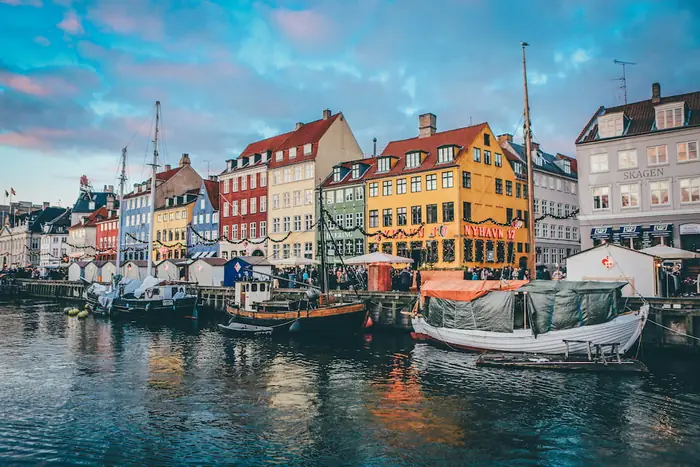
 Denmark
 Finland
 Sweden
Baltic 3 countries
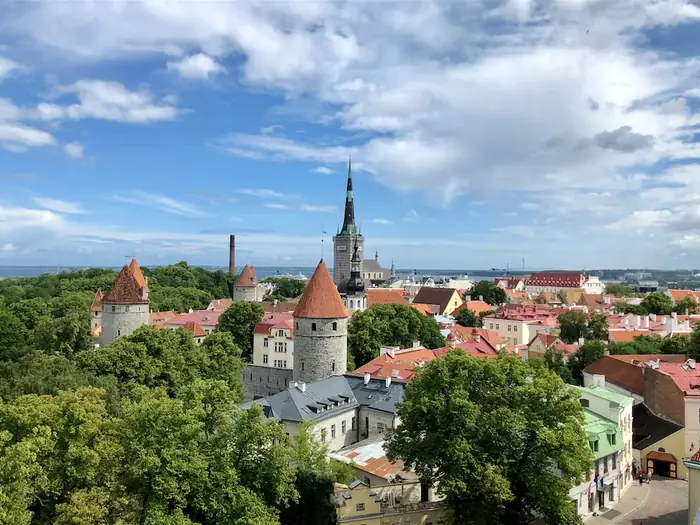
 Estonia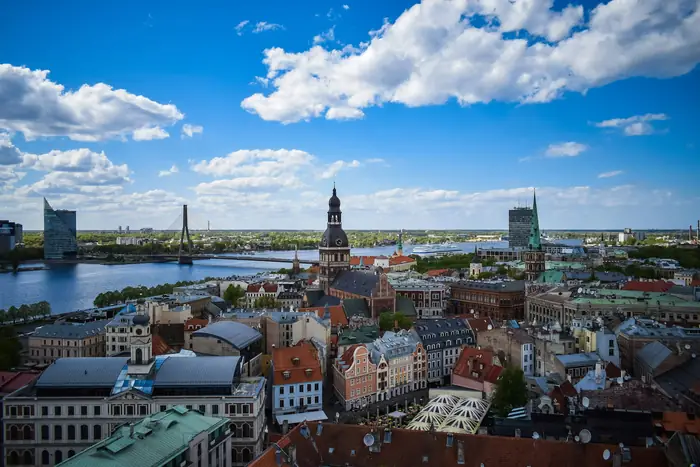
 Latvia
 Lithuania
No country matches this search.
Short summaries of the facts in each country guide (official sources, checked 2026). "No notary needed": standard set-up without a notarial deed. "Low corporate tax": 12.5% or less, or 0% on retained profit. The full table with sources is below.
Company formation in Europe: key factsLast verified 27 September 2026
| Corporate tax | 9% — the lowest in the EU; plus local business tax up to 2% of adjusted turnover Source: PwC Hungary: Investing in Hungary 2026 |
|---|---|
| Corporate income tax | 10% (only Hungary's 9% is lower in the EU) Source: PwC Worldwide Tax Summaries: Bulgaria corporate income tax · PwC Worldwide Tax Summaries: Hungary corporate income tax |
| Corporate tax | 0% on retained profit; 22% on distributions (22/78 of the net dividend) since 2025 — unchanged in 2026 Source: Tax and Customs Board: taxation of dividends · Tax and Customs Board: tax rates |
| Tax on retained profit | 0% until distributed Source: State Revenue Service: corporate income tax |
| US anti-deferral tax | GILTI renamed NCTI from 2026; Estonia's 0% on retained profit is below the 18.9% high-tax threshold Source: Congress.gov: One Big Beautiful Bill Act (P.L. 119-21) · eCFR: 26 CFR 1.951A-2 (high-tax exclusion) |
| Owning a company | Not a residence ground on its own; a company must, for example, create at least 10 full-time jobs for Bulgarian citizens Source: Foreigners in the Republic of Bulgaria Act (consolidated text) |
Which Country Fits
Which Country Fits Your Business?
Hungary and Bulgaria
9% — the lowest in the EU; plus local business tax up to 2% of adjusted turnover. Bulgaria: 10% (only Hungary's 9% is lower in the EU).
Hungary company guide →Estonia and Latvia
Estonia: 0% on retained profit; 22% on distributions (22/78 of the net dividend) since 2025 — unchanged in 2026. Latvia: 0% until distributed, then 20% on distributed profit (= 25% of the net dividend).
Estonia company guide →Estonia, Denmark, Sweden and the UK
Estonia: State fee €265; usually registered within 1–2 working days; no notary through the portal. UK: £100 to incorporate online and £50 for the annual confirmation statement (since 1 February 2026).
UK company guide →Ireland, Malta and the UK
Ireland: 12.5% on trading income, 25% on passive income; 15% minimum for groups with revenue of €750 million or more. Malta: 35%, but shareholders can claim a 6/7 refund of the tax on distributed trading profits — about 5% net; 5/7 for passive interest and royalties (about 10%).
Ireland company guide →Watch Out
Local Rules That Catch American Founders
A notary — in person or by power of attorney
Articles must be notarised; video notarisation needs a German or EU eID, so US founders sign in person or by apostilled power of attorney. Austria, Belgium, Czechia, Italy, Luxembourg, the Netherlands and Switzerland also need a notarial deed for the usual company type.
A director who lives in the EEA
Finland: At least one ordinary board member, one deputy and the managing director must live in the EEA — or get a PRH permit (€150 + €6.50). Ireland: At least one director living in the EEA — or a €25,000 bond (about €1,600–2,000 for 2 years) or a Revenue certificate of a real economic link to Ireland.
A work permit for a non-EU director
Croatia: Since June 2026, if all directors are non-EU nationals one must apply for a stay-and-work permit within 30 days of registration.
A company is not a visa
Not a residence ground on its own; a company must, for example, create at least 10 full-time jobs for Bulgarian citizens. To live in the country, look at the startup and self-employment routes or a nomad visa.
US Tax
How the US Taxes Your European Company
US citizens who own a foreign company keep US filing duties — and low European tax rates can mean US tax on profits you have not paid out.
| Country | NCTI (formerly GILTI) — what to expect |
|---|---|
| Estonia | GILTI renamed NCTI from 2026; Estonia's 0% on retained profit is below the 18.9% high-tax threshold |
| Ireland | GILTI renamed NCTI from 2026; Ireland's 12.5% is below the 18.9% high-tax threshold, so US owners can owe US tax on undistributed profits |
| Lithuania | GILTI renamed NCTI from 2026; Lithuania's 17% (and 7% or 0% small-company rates) is below the 18.9% high-tax threshold |
| Portugal | GILTI became NCTI for tax years from 2026; Portugal's 15% SME rate is below the 18.9% high-tax threshold — get US advice |
| Spain | GILTI became NCTI from 2026; the high-tax exception needs an effective rate above 18.9% — 25% usually clears it, the 15% new-company and startup rates and 19–21% micro rates may not |
| Poland | GILTI became NCTI for tax years from 2026; Poland's 19% is above the 18.9% high-tax threshold, the 9% rate is not — get US advice |
| Finland | GILTI renamed NCTI from 2026; Finland's 20% is above the 18.9% threshold — but a cut to 18% would fall below it |
| Germany | GILTI renamed NCTI from 2026; Germany's ~30% (about 25% after 2032) stays above the 18.9% threshold |
US owners usually file Form 5471; an Lda can elect to be disregarded (then Form 8858), an SA cannot. In Spain: Form 5471 for US officers, directors and 10%+ shareholders, plus FBAR if you have signature authority over company accounts. Get advice from a US tax adviser who knows foreign companies before you choose a structure.
Capital, Corporate Tax and Registration in One TableAll 29 countries · with sources
The usual company type for a small business, its minimum capital, the corporate tax rate and how registration works. Click a country for the full guide with sources.
| Country | Company type & minimum capital | Corporate tax | Registration |
|---|---|---|---|
| Austria | €10,000, at least €5,000 paid in cash (since 2024) | 23% (since 2024) | Needed, except a simplified single-shareholder GmbH; remote video notarisation possible |
| Belgium | None since the 2019 Companies Code — but initial equity must be sufficient for the planned activity | 25% | €111.50 (2026) |
| Bulgaria | €1 since 1 January 2026 (was 2 lev); at least 70% paid in before registration | 10% (only Hungary's 9% is lower in the EU) | €28.12 online (with e-signature) or €56.24 on paper |
| Croatia | €2,500; at least a quarter (€625) paid in before registration | 10% for revenue under €1 million; 18% above | Decision within 5 working days; e-Tvrtka filings from a notary within 24 hours |
| Cyprus | None for a private company; €25,629 for a public company | 15% from 1 January 2026 (was 12.5%) | about €165 for a private company (standard) |
| Czechia | s.r.o. (limited liability company); minimum capital CZK 1 per shareholder | 21% (since 2024) | CZK 6,000 at the court; CZK 2,700 via a notary; CZK 0 via a notary for a simple s.r.o. with cash contributions |
| Denmark | ApS (private limited company); minimum capital DKK 20,000 since 1 January 2025, fully paid in | 22% (26% for the financial sector); the June 2026 government platform plans a cut to 19% over three years, no bill yet | DKK 670 for an ApS or A/S filed digitally |
| Estonia | OÜ (private limited company); minimum capital €0.01, paid in at founding | 0% on retained profit; 22% on distributions (22/78 of the net dividend) since 2025 — unchanged in 2026 | State fee €265; usually registered within 1–2 working days; no notary through the portal |
| Finland | Oy (private limited company); no minimum share capital since 2019 | 20%; a cut to 18% from 2027 has been proposed to Parliament (Sep 2026) | €400 online (2026); online filing only since 2026; processed in about 1–2 weeks |
| France | SAS/SASU or SARL/EURL; minimum capital €1; no notary needed | 25%; 15% on the first €42,500 of profit for SMEs (turnover ≤ €10M, capital paid up, 75%+ held by individuals) | Online through the one-stop shop (guichet unique); registry fees €53.16 in 2026 plus a legal notice (SASU €142, SAS €199 before VAT) |
| Germany | GmbH with €25,000 capital (€12,500 paid in at formation) or UG from €1 | 15% + 5.5% solidarity surcharge (15.825%), plus trade tax — about 30% in Berlin, 33% in Munich; falling by 1 point a year from 2028 to 10% in 2032 | About €550 (model protocol) to €730+ net in notary and register fees; register fee €225 |
| Greece | IKE (private company): capital from €1 or even zero; no notary needed with the standard articles | 22% | Online One-Stop Shop (e-YMS) in about 3 days with €18 GEMI fee — needs AFMs and TAXISnet codes; non-resident founders often use a lawyer or notary |
| Hungary | Kft. (limited liability company): HUF 3 million capital (about €8,200) | 9% — the lowest in the EU; plus local business tax up to 2% of adjusted turnover | Filed electronically by a Hungarian lawyer; 1 business day and no duty with the template deed, up to 15 business days with a custom deed |
| Ireland | Private company limited by shares (LTD): no minimum capital (often €1); 1 director plus a separate company secretary | 12.5% on trading income, 25% on passive income; 15% minimum for groups with revenue of €750 million or more | Form A1 online with the Companies Registration Office (CORE): €50; about 5 working days on the fast-track scheme, about 10 otherwise |
| Italy | SRL (limited liability company): €10,000 standard capital, or €1–9,999 if fully paid in cash; notarial deed | IRES 24% plus regional IRAP 3.9% (4.82% in Lazio) | Notary about €1,500–3,000 + VAT plus about €900 of taxes and fees; first-year total about €2,700–4,600 |
| Latvia | €2,800 (or from €1 for a small-capital SIA) | 20% on distributed profit (= 25% of the net dividend) | 1–3 working days (1 day expedited) |
| Lithuania | UAB (private limited company): €1,000 minimum capital since May 2023; MB small partnership with no minimum capital | 17% from 2026 (16% in 2025, 15% before); small companies 7% (revenue up to €300,000), and 0% for the first 2 tax periods of a new small company | Centre of Registers entry within 3 working days; foreign founders without a Lithuanian e-signature go through a notary (often by power of attorney) or get Lithuanian e-residency (€90) |
| Luxembourg | SARL: €12,000 capital fully paid, set up before a notary; SARL-S: €1–12,000, individuals only, no notary | 23.87% combined in Luxembourg City (16% plus 7% surcharge plus 6.75% municipal tax); 14% rate on profits up to €175,000 | See the country guide |
| Malta | Private limited company (Ltd): minimum capital €1,164.69, at least 20% paid up; 1 director, a company secretary (an individual) and a registered office in Malta; no notary | 35%, but shareholders can claim a 6/7 refund of the tax on distributed trading profits — about 5% net; 5/7 for passive interest and royalties (about 10%) | From €100 when filed online with the Malta Business Registry (capital up to €1,500); typically a few working days |
| Netherlands | BV (private limited company): no minimum capital since 2012, formed by notarial deed and registered with KvK | 19% on the first €200,000 of profit and 25.8% on the rest (2026) | One-off fee of €85.15 in 2026; no annual fee |
| Poland | Sp. z o.o. (limited company): PLN 5,000 minimum capital; online through S24 for PLN 350 in fees, usually within a few working days | 19%, or 9% for small taxpayers with revenue up to €2 million (not on passive income) | See the country guide |
| Portugal | Lda or single-member Unipessoal Lda: capital from €1 per share; same-day Empresa na Hora (€360) or Empresa Online (€220 with standard articles) | 19% in 2026 (18% in 2027, 17% in 2028); 15% on the first €50,000 for SMEs, 12.5% for certified startups; plus up to 1.5% municipal surcharge | See the country guide |
| Romania | SRL (limited liability company): RON 500 (≈ €95) minimum capital for new companies since 18 December 2025; RON 5,000 once turnover exceeds RON 400,000 | 16% on profit | Online at the trade register (ONRC) with a qualified e-signature or through a representative; no notary needed for standard articles; registration itself is free — only the Official Gazette publication fee (about RON 150); usually 3–5 working days |
| Slovakia | s.r.o.: €5,000 minimum capital (€750 per member); before registration at least 30% of each cash contribution and €2,500 in total must be paid — a single-member s.r.o. pays the full €5,000 | 10% if taxable revenue is up to €100,000, 21% standard, 24% if revenue exceeds €5 million — the rate applies to the whole profit | Electronic filing only, court fee €220; since 17 August 2026 the founding document must be a notarial deed or authorised by an attorney, and a notary can register the company; the court decides within 2 working days of a complete filing |
| Slovenia | d.o.o.: €7,500 minimum capital, fully paid before registration (at least 25% of each cash contribution); one or more founders; managers need not live in Slovenia | 22% for 2024–2028 (a temporary rise from 19% to fund flood reconstruction) | Free online through the SPOT portal with a qualified e-certificate, or at a SPOT point; a notary is needed only for custom articles, several founders with a custom contract, in-kind contributions or branches; the court usually decides in about 4 days |
| Spain | Minimum capital €1 since October 2022, fully paid in; below €3,000, 20% of profits must go to a reserve and founders are liable for the shortfall up to €3,000 if the company is wound up | 25% standard; in 2026 companies under €10M turnover pay 23% and under €1M 19% on the first €50,000 and 21% above; new companies 15% for their first 2 profitable years and certified startups 15% for up to 4 | Notary about €150–600, registry about €40–200 and name certificate about €15; company formation is exempt from stamp duty |
| Sweden | Minimum share capital SEK 25,000 (about €2,200) since 2020, paid into a bank that issues a certificate; a public AB needs SEK 500,000 | 20.6% flat, with no local corporate taxes; up to 25% of profit can be set aside in a tax allocation reserve for 6 years | SEK 2,400 online or SEK 2,700 on paper to register a new AB with Bolagsverket (since 19 June 2025); no notary needed |
| Switzerland | GmbH: CHF 20,000 capital, fully paid in. AG: CHF 100,000, at least CHF 50,000 paid in. The founding deed must be notarised; a power of attorney is possible | Federal 8.5% on profit after tax (about 7.8%) plus cantonal and communal tax: about 11.7% in Lucerne and Zug, 14.7% in Geneva, 19.5% in Zurich and 20.5% in Bern (2026); Swiss average 14.43% | See the country guide |
| United Kingdom | At least one director and one shareholder (can be the same person), a UK registered office address and articles; no minimum capital and no notary | 19% on profits up to £50,000, 25% above £250,000, with marginal relief in between (thresholds shared with associated companies) | £100 to incorporate online and £50 for the annual confirmation statement (since 1 February 2026) |
Every value comes from the country's key-facts register (official sources, checked 2026) — follow the country link for the source of each figure.
FAQ
Frequently asked questions
Can an American own 100% of a European company?
Yes — in all 29 countries we cover, a US citizen can own the whole company. Some add conditions on directors — Finland and Ireland want an EEA-resident director (or a permit or bond), and Croatia a work permit if all directors are non-EU.
Which European country has the lowest corporate tax?
Hungary, at 9% (plus a local business tax of up to 2% of adjusted turnover), followed by Bulgaria at 10%. Estonia and Latvia charge 0% on profit you keep in the company and tax it when you distribute it.
Does registering a company give me residence in Europe?
Usually not on its own. You need a separate permit — a startup, self-employment, investor or nomad route — and some countries attach conditions such as hiring local staff.
Do I still pay US tax on my European company?
Possibly. Under NCTI (formerly GILTI), profits of a foreign company taxed below 18.9% can be taxed in the US each year even if you do not pay them out, and US owners usually file Form 5471. Get US tax advice before you choose the country and structure.
Can I register a company remotely from the US?
Often, yes — for example through Estonia's portal or online in Sweden and the UK; elsewhere a lawyer or notary can act for you with a power of attorney (in Denmark, self-service filing needs a Danish MitID). Countries that need a notarial deed usually accept an apostilled power of attorney.
Across Europe
Every guide and comparison
- OverviewMove to Europe
- CountriesAll 29 Countries
- LivingExpat Guides
- RetirementRetire by Country
- CitiesBest Cities to Live In
- FoundersStartup Visas
- InvestorsGolden Visas
- Remote workDigital Nomad Visas
- RetirementRetirement Visas
- CitizenshipCitizenship by Descent
- CostsCost of Living
- HealthHealthcare
- TaxTax Residency
- PetsMoving with Pets
- DrivingUS Driver's License
- PropertyBuying Property
- EducationStudy in Europe
- SafetySafety & Stability
- WorkWork-Life Balance
- TravelTravel & Schengen
- LifestyleLifestyle
Ready to Set Up Your European Company?
Tell us what your business does, where your clients are and whether you want to move — we'll tell you which country and structure fit. The first consultation is free.