In short
Most European countries let non-EU founders in through a startup or self-employment permit, but the conditions differ a lot. Germany has no minimum investment for its self-employment permit, and Americans can apply at the local foreigners office after arriving visa-free. The Netherlands offers US citizens the DAFT treaty route with a €4,500 investment. Estonia and Lithuania approve founders through an expert committee without an investment threshold; Ireland and Italy expect €50,000 of funding. Portugal and Italy need a consulate visa before you travel. Poland has no startup visa for Americans. Remember the US side too: profits of a low-taxed European company can be taxed in the US each year under NCTI (formerly GILTI).
- €4,500
- Netherlands DAFT — investment for US citizens
- 10 days
- Estonia — Startup Committee decision (working days)
- €0
- Germany — minimum investment (self-employment)
- 12
- Countries compared
12 Countries
Where Can a US Founder Launch?
One card per country: the founder route, what it asks for and the corporate tax. Filter by what matters to you, then open the full guide.
Showing of 12 countries
-

 Czechia
Business visa (živnost) with a trade licence
Czechia for founders
Czechia
Business visa (živnost) with a trade licence
Czechia for founders
-
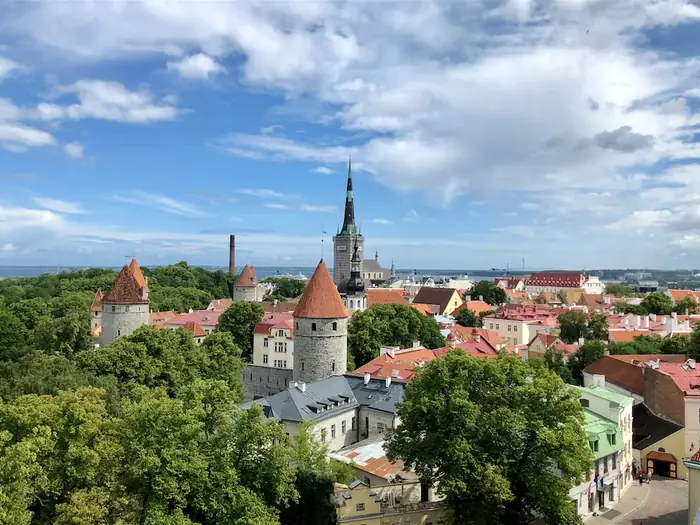
 Estonia
Startup Committee approval in 10 working days
Estonia for founders
Estonia
Startup Committee approval in 10 working days
Estonia for founders
-

 Finland
Start-up permit with a Business Finland statement
Finland for founders
Finland
Start-up permit with a Business Finland statement
Finland for founders
-

 Germany
Self-employment permit — no minimum investment
Germany for founders
Germany
Self-employment permit — no minimum investment
Germany for founders
-

 Ireland
Start-up Entrepreneur Programme (STEP)
Ireland for founders
Ireland
Start-up Entrepreneur Programme (STEP)
Ireland for founders
-

 Italy
Italia Startup Visa for an innovative startup
Italy for founders
Italy
Italia Startup Visa for an innovative startup
Italy for founders
-
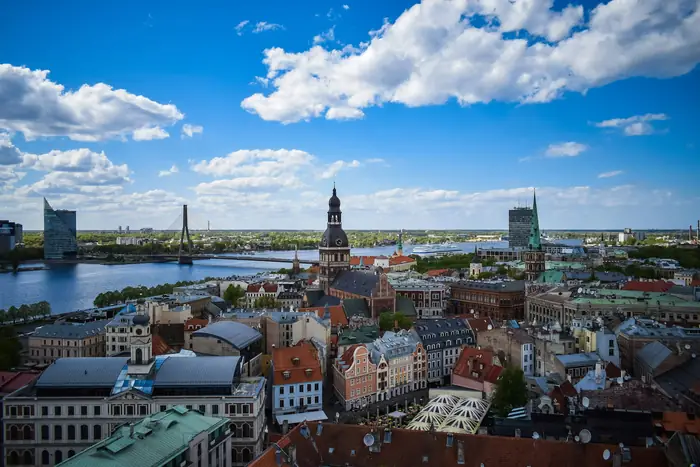
 Latvia
Startup founder permit, kept by the 2026 law
Latvia for founders
Latvia
Startup founder permit, kept by the 2026 law
Latvia for founders
-

 Lithuania
Startup Visa — expert committee, no investment threshold
Lithuania for founders
Lithuania
Startup Visa — expert committee, no investment threshold
Lithuania for founders
-

 Netherlands
Start-up permit — or DAFT, only for Americans
Netherlands for founders
Netherlands
Start-up permit — or DAFT, only for Americans
Netherlands for founders
-

 Poland
No startup visa — business residence after a year of results
Poland for founders
Poland
No startup visa — business residence after a year of results
Poland for founders
-

 Portugal
Startup Visa through a certified incubator
Portugal for founders
Portugal
Startup Visa through a certified incubator
Portugal for founders
-

 Spain
Entrepreneur permit with an ENISA report
Spain for founders
Spain
Entrepreneur permit with an ENISA report
Spain for founders
No country matches this search.
Short summaries of the facts in each country guide (official sources, checked 2026). The full table with every condition is below.
Startup visas in Europe: key factsLast verified 27 September 2026
| Self-employment permit (§ 21(1)) | Economic interest or regional need, positive effect on the economy and secured financing; no minimum investment Source: Make it in Germany: self-employment |
|---|---|
| Where to apply | US citizens can get any residence permit (Blue Card, skilled worker, freelance, study) at the local foreigners office after visa-free entry Source: Residence Ordinance § 41 (AufenthV) |
| DAFT (Dutch-American Friendship Treaty) | Self-employed permit for US (and Japanese) citizens: invest at least €4,500 in your own Dutch business, register with KvK and invest within 6 months of the IND decision Source: IND: Residence permit self-employed person (US/Japanese nationals) · IND form 7524: Application self-employed (2026) |
| Startup route | Startup Committee approval (within 10 working days), then a D visa or a residence permit for up to 5 years Source: Startup Estonia: startup visa for foreign founders · Police and Border Guard Board: residence permit for start-up entrepreneurs |
| Startup Visa Lithuania | An expert committee scores your innovative, scalable plan — no incubator or investment threshold; living funds of €13,836 for 12 months (2026); 2-year permit, extendable to 5 Source: Startup Visa Lithuania (Innovation Agency): official site · Startup Visa Lithuania: FAQ · Startup Visa Lithuania: guidebook (Aug 2025) |
| Start-up Entrepreneur Programme (STEP) | €50,000 of funding for a high-potential start-up (10 jobs and €1 million in sales within 3–4 years); €350 fee; 2 years, then 3 more Source: Immigration Service Delivery: Start-up Entrepreneur Programme (STEP) · Immigration Service Delivery: STEP guidelines (PDF) |
Which Route Fits
Which Country Fits Your Startup?
Germany and Lithuania
Germany: Economic interest or regional need, positive effect on the economy and secured financing; no minimum investment. Lithuania: An expert committee scores your innovative, scalable plan — no incubator or investment threshold; living funds of €13,836 for 12 months (2026); 2-year permit, extendable to 5.
Germany for founders →Netherlands — DAFT
Self-employed permit for US (and Japanese) citizens: invest at least €4,500 in your own Dutch business, register with KvK and invest within 6 months of the IND decision.
DAFT guide →Estonia
Startup Committee approval (within 10 working days), then a D visa or a residence permit for up to 5 years; At least €800 for each month of stay (Startup Estonia).
Estonia for founders →Ireland and Italy
Ireland: €50,000 of funding for a high-potential start-up (10 jobs and €1 million in sales within 3–4 years); €350 fee; 2 years, then 3 more. Italy: €50,000 of funds for a new innovative startup; nulla osta from the MIMIT committee in about 30 days; free to apply.
Ireland for founders →Before You Fly
Apply From the US or After You Arrive?
This decides your timeline. In some countries Americans can start the permit after arriving visa-free; in others the consulate visa comes first.
| Country | Where to apply |
|---|---|
| Germany | US citizens can get any residence permit (Blue Card, skilled worker, freelance, study) at the local foreigners office after visa-free entry |
| Netherlands | US citizens are exempt from the entry visa (MVV) and can apply for a residence permit after arriving visa-free |
| Lithuania | From the US through the MIGRIS system and VFS Global, or at the Migration Department in Lithuania |
| Finland | First work, specialist, Blue Card and start-up permits are applied for online and confirmed at a Finnish mission abroad |
| Portugal | Since 4 June 2024 you can no longer switch from a visa-free stay to residence (manifestação de interesse abolished) — you need a residence visa from a consulate first |
| Italy | Long-stay (D) visas come from the Italian consulate for your US state of residence; a tourist stay cannot be turned into a residence permit in Italy |
US Tax
The US Side of a European Startup
Low European tax can mean US tax
GILTI renamed NCTI from 2026; Estonia's 0% on retained profit is below the 18.9% high-tax threshold. Ireland: GILTI renamed NCTI from 2026; Ireland's 12.5% is below the 18.9% high-tax threshold, so US owners can owe US tax on undistributed profits.
Above the threshold
Germany: GILTI renamed NCTI from 2026; Germany's ~30% (about 25% after 2032) stays above the 18.9% threshold.
Reporting
US owners usually file Form 5471; an Lda can elect to be disregarded (then Form 8858), an SA cannot. Plan this with a US tax adviser before you choose the structure.
Running a company is not the same as living there
Estonia's e-Residency: A digital ID for running an Estonian company online — not a visa, residence permit or tax residency. Compare company set-up in all 29 countries in our company formation guide.
Every Founder Route in One TableAll 12 countries · with sources
The main residence route for a non-EU founder and the corporate tax your company would pay. Click a country for the full startup guide with sources.
| Country | Founder route | Corporate tax |
|---|---|---|
| Czechia | Long-term visa for business: trade licence, accommodation, criminal record, insurance and funds of CZK 156,500 (about €6,430) | 21% (since 2024) |
| Estonia | Startup Committee approval (within 10 working days), then a D visa or a residence permit for up to 5 years | 0% on retained profit; 22% on distributions (22/78 of the net dividend) since 2025 — unchanged in 2026 |
| Finland | Positive eligibility statement from Business Finland; team of 2+ founders holding 60%+; first permit up to 2 years; about 2 weeks | 20%; a cut to 18% from 2027 has been proposed to Parliament (Sep 2026) |
| Germany | Economic interest or regional need, positive effect on the economy and secured financing; no minimum investment | 15% + 5.5% solidarity surcharge (15.825%), plus trade tax — about 30% in Berlin, 33% in Munich; falling by 1 point a year from 2028 to 10% in 2032 |
| Ireland | €50,000 of funding for a high-potential start-up (10 jobs and €1 million in sales within 3–4 years); €350 fee; 2 years, then 3 more | 12.5% on trading income, 25% on passive income; 15% minimum for groups with revenue of €750 million or more |
| Italy | €50,000 of funds for a new innovative startup; nulla osta from the MIMIT committee in about 30 days; free to apply | IRES 24% plus regional IRAP 3.9% (4.82% in Lazio) |
| Latvia | Kept and widened by the new law (only high terrorism-risk countries excluded) | 20% on distributed profit (= 25% of the net dividend) |
| Lithuania | An expert committee scores your innovative, scalable plan — no incubator or investment threshold; living funds of €13,836 for 12 months (2026); 2-year permit, extendable to 5 | 17% from 2026 (16% in 2025, 15% before); small companies 7% (revenue up to €300,000), and 0% for the first 2 tax periods of a new small company |
| Netherlands | 1 year, not extendable, with an RVO-recognised facilitator and an innovative product; then switch to the self-employed permit | 19% on the first €200,000 of profit and 25.8% on the rest (2026) |
| Poland | Your company must have earned at least 12 times the regional average monthly wage last year, or employed 2 full-time staff for a year — a new business can instead show the resources to get there | 19%, or 9% for small taxpayers with revenue up to €2 million (not on passive income) |
| Portugal | For non-EU founders accepted by an IAPMEI-certified incubator; leads to a residence permit | 19% in 2026 (18% in 2027, 17% in 2028); 15% on the first €50,000 for SMEs, 12.5% for certified startups; plus up to 1.5% municipal surcharge |
| Spain | For an innovative business with a favourable ENISA report; visa for 1 year or a permit of up to 3 years applied for inside Spain at the UGE, decided in 20 working days | 25% standard; in 2026 companies under €10M turnover pay 23% and under €1M 19% on the first €50,000 and 21% above; new companies 15% for their first 2 profitable years and certified startups 15% for up to 4 |
Every value comes from the country's key-facts register (official sources, checked 2026).
FAQ
Frequently asked questions
Which European country is best for an American startup founder?
It depends on your plan. Germany has no minimum investment and lets Americans apply after arriving; the Netherlands' DAFT route needs only €4,500 from US citizens; Estonia and Lithuania approve founders through a committee; Ireland and Italy suit founders with €50,000 of funding.
Can an American start a business in Germany?
Yes. The self-employment permit needs an economic interest or regional need, a positive effect on the economy and secured financing — no minimum investment — and US citizens can apply at the local foreigners office after entering visa-free. Freelancers in liberal professions use a separate freelance permit.
Do I need money to get a startup visa in Europe?
Usually some. Ireland's STEP and the Italia Startup Visa expect €50,000 of funding, Estonia asks for at least €800 for each month of stay, Lithuania living funds of €13,836 for 12 months, and DAFT a €4,500 investment.
Is Estonia's e-Residency a visa?
No. It is a digital ID for running an Estonian company online — not a visa, residence permit or tax residency. To live in Estonia you need the startup or another residence permit.
Does Poland have a startup visa?
No. Poland. Business Harbour has been suspended since January 2024 and never covered US citizens. Americans can register a sole proprietorship under the 1990 US–Poland business treaty, but still need a right to stay.
Across Europe
Every guide and comparison
- OverviewMove to Europe
- CountriesAll 29 Countries
- LivingExpat Guides
- RetirementRetire by Country
- CitiesBest Cities to Live In
- BusinessCompany Formation
- InvestorsGolden Visas
- Remote workDigital Nomad Visas
- RetirementRetirement Visas
- CitizenshipCitizenship by Descent
- CostsCost of Living
- HealthHealthcare
- TaxTax Residency
- PetsMoving with Pets
- DrivingUS Driver's License
- PropertyBuying Property
- EducationStudy in Europe
- SafetySafety & Stability
- WorkWork-Life Balance
- TravelTravel & Schengen
- LifestyleLifestyle
Ready to Launch Your Startup in Europe?
Tell us about your product, team and funding — we'll tell you which founder route and country fit, and what the US tax side looks like. The first consultation is free.