In short
Thirteen countries we cover have a residence route for retirees or people living on passive income. The lowest income bars are in Portugal (€920 a month), Latvia (€1,231 pension) and France (about €1,478); Spain asks €2,400, Austria about €2,617 with limited places, Greece €3,500 and Ireland €50,000 a year. Belgium, Bulgaria and Cyprus assess your means without a fixed figure. These routes are for people who do not need a local job — Spain, Italy, Greece, Belgium and Ireland rule out work explicitly, and Spain and Italy remote work too. Luxembourg only counts EU or Schengen income, so US Social Security does not qualify. Social Security keeps paying in Europe, but Medicare usually does not — budget for health insurance.
- €920
- Portugal D7 — lowest income bar, per month
- 13
- Countries with a retirement route
- €1,390
- Riga — lowest capital-city cost among them
- $0
- Medicare cover in Europe (usually)
13 Countries
Where Can You Retire?
One card per country: the retirement route, the income it asks for and the monthly cost in the capital. Filter, then open the full retirement guide.
Showing of 13 countries
-

 Portugal
D7 passive-income visa
Retire in Portugal
Portugal
D7 passive-income visa
Retire in Portugal
-

 Latvia
Residence permit for pensioners
Retire in Latvia
Latvia
Residence permit for pensioners
Retire in Latvia
-

 France
Long-stay visitor visa
Retire in France
France
Long-stay visitor visa
Retire in France
-

 Spain
Non-lucrative visa — no work at all
Retire in Spain
Spain
Non-lucrative visa — no work at all
Retire in Spain
-

 Austria
Settlement permit — limited places
Retire in Austria
Austria
Settlement permit — limited places
Retire in Austria
-

 Greece
Financially independent person permit
Retire in Greece
Greece
Financially independent person permit
Retire in Greece
-

 Italy
Elective residence visa
Retire in Italy
Italy
Elective residence visa
Retire in Italy
-

 Malta
Malta Retirement Programme
Retire in Malta
Malta
Malta Retirement Programme
Retire in Malta
-

 Cyprus
Visitor permit (pink slip)
Retire in Cyprus
Cyprus
Visitor permit (pink slip)
Retire in Cyprus
-

 Bulgaria
Pensioner residence permit
Retire in Bulgaria
Bulgaria
Pensioner residence permit
Retire in Bulgaria
-
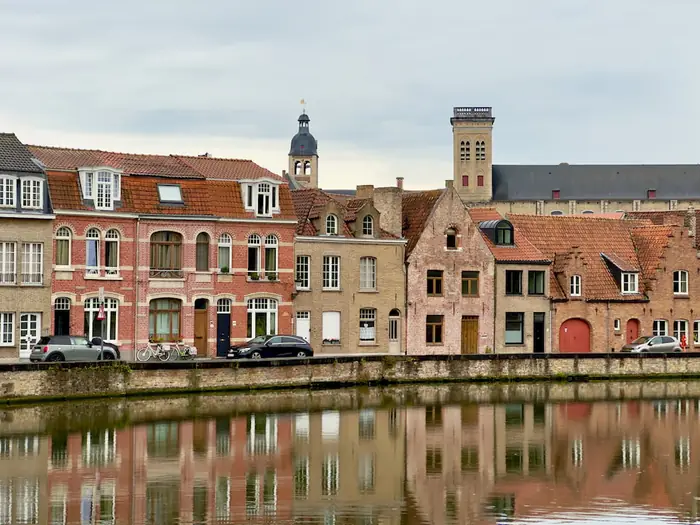
 Belgium
Long-stay visa on own means
Retire in Belgium
Belgium
Long-stay visa on own means
Retire in Belgium
-

 Luxembourg
Private-means permit
Retire in Luxembourg
Luxembourg
Private-means permit
Retire in Luxembourg
-

 Ireland
Stamp 0 permission
Retire in Ireland
Ireland
Stamp 0 permission
Retire in Ireland
No country matches this search.
Short summaries of the facts in each retirement guide (official sources, checked 2026). Monthly cost: single person, central 1-bedroom included (Numbeo, 2026).
Retiring in Europe: key factsLast verified 27 September 2026
| D7 passive income visa | Passive income of at least €920 a month in 2026 (+50% for a spouse, +30% per child); consulates usually expect about 12 months of that (€11,040) in a Portuguese bank Source: What Portugal's 2026 Minimum Wage Rise Means for Visas: Portugalist · Portugalist: D7 visa requirements 2026 |
|---|---|
| Pensioner permit: minimum pension | €1,231/month personal, regular pension (from 1 Apr 2026) Source: PMLP: Necessary means of subsistence (from 1 Apr 2026) |
| Visitor visa (visiteur) | For people living on their own means who will not work in France; income at least the net SMIC — €1,477.93 a month (from June 2026) Source: Service-Public: temporary residence card "visiteur" · Service-Public: SMIC (minimum wage) |
| Non-lucrative visa | Passive income or savings of 400% of IPREM — €2,400 a month or €28,800 a year in 2026 — plus €600 a month (€7,200 a year) per dependant; no work of any kind, including remote work Source: Consulate General of Spain in New York – Non-Working Residence Visa · Consulate General of Spain in Chicago – Non-Lucrative Residence Visa |
| Private reasons (retirees) | Since May 2023 only income from work in the EU/Schengen or an EU/Schengen state pension counts — US Social Security, 401(k)/IRA and investment income do not; benchmark €2,771 a month Source: Guichet.lu: residence for private reasons · Lexgo: new restrictions on residence for private reasons (2023) |
| Medicare abroad | Medicare usually does not cover health care outside the US — plan for local or private insurance in Europe Source: Travel outside the U.S. (Medicare.gov) |
How to Choose
Five Questions Before You Choose
Does your income count?
Most countries accept pensions, Social Security and investment income — but Since May 2023 only income from work in the EU/Schengen or an EU/Schengen state pension counts — US Social Security, 401(k)/IRA and investment income do not; benchmark €2,771 a month.
Is there a cap on places?
Austria: Yes — limited places per province each year (385 nationwide under the 2025 regulation).
Can you work at all?
Usually not locally — check each guide. Spain: Passive income or savings of 400% of IPREM — €2,400 a month or €28,800 a year in 2026 — plus €600 a month (€7,200 a year) per dependant; no work of any kind, including remote work.
How will you pay for healthcare?
Medicare usually does not cover health care outside the US — plan for local or private insurance in Europe. See healthcare in Europe.
How will your pension be taxed?
Tax regimes for pensioners differ a lot — compare them in our retirement visa guide.
The Rules
Retirement Visas Explained
Income rules, pension tax regimes, Social Security and Medicare abroad — the general guide.
Retirement visas in Europe →Healthcare in Europe →Cost of living in Europe →
Head to Head
Retirement Comparisons
Detailed comparisons for retirees.
Portugal vs Spain →Cyprus vs Portugal →France vs Italy →Greece vs Italy →Spain vs Greece →Latvia vs Portugal →Latvia vs Italy →All retirement comparisons →
FAQ
Frequently asked questions
Which European country is easiest for Americans to retire in?
By income, Portugal (€920 a month for the D7), Latvia (€1,231 pension) and France (about €1,478) have the lowest bars. By living costs, Riga, Sofia, Athens and Nicosia are among the cheapest capitals.
Can I retire in Europe on Social Security alone?
In several countries, yes, if it meets the income bar — Portugal, Latvia and France have the lowest. Luxembourg is the exception: it only counts EU or Schengen income, so US Social Security does not qualify.
Can I work on a retirement visa?
Usually not. Spain, Italy, Greece, Belgium and Ireland rule out local work on their retirement routes, and Spain and Italy remote work too; check each country guide. For remote work, look at a digital nomad visa instead.
Will Medicare cover me in Europe?
Usually not. Plan for local public cover where your permit allows it, or private health insurance.
Across Europe
Every guide and comparison
- OverviewMove to Europe
- CountriesAll 29 Countries
- LivingExpat Guides
- CitiesBest Cities to Live In
- BusinessCompany Formation
- FoundersStartup Visas
- InvestorsGolden Visas
- Remote workDigital Nomad Visas
- RetirementRetirement Visas
- CitizenshipCitizenship by Descent
- CostsCost of Living
- HealthHealthcare
- TaxTax Residency
- PetsMoving with Pets
- DrivingUS Driver's License
- PropertyBuying Property
- EducationStudy in Europe
- SafetySafety & Stability
- WorkWork-Life Balance
- TravelTravel & Schengen
- LifestyleLifestyle
Ready to Retire in Europe?
Tell us about your pension, savings and family — we'll tell you which countries you qualify for and what life there would cost. The first consultation is free.